
What shapes me?
Inner — Perception — Action — Expression — Architecture
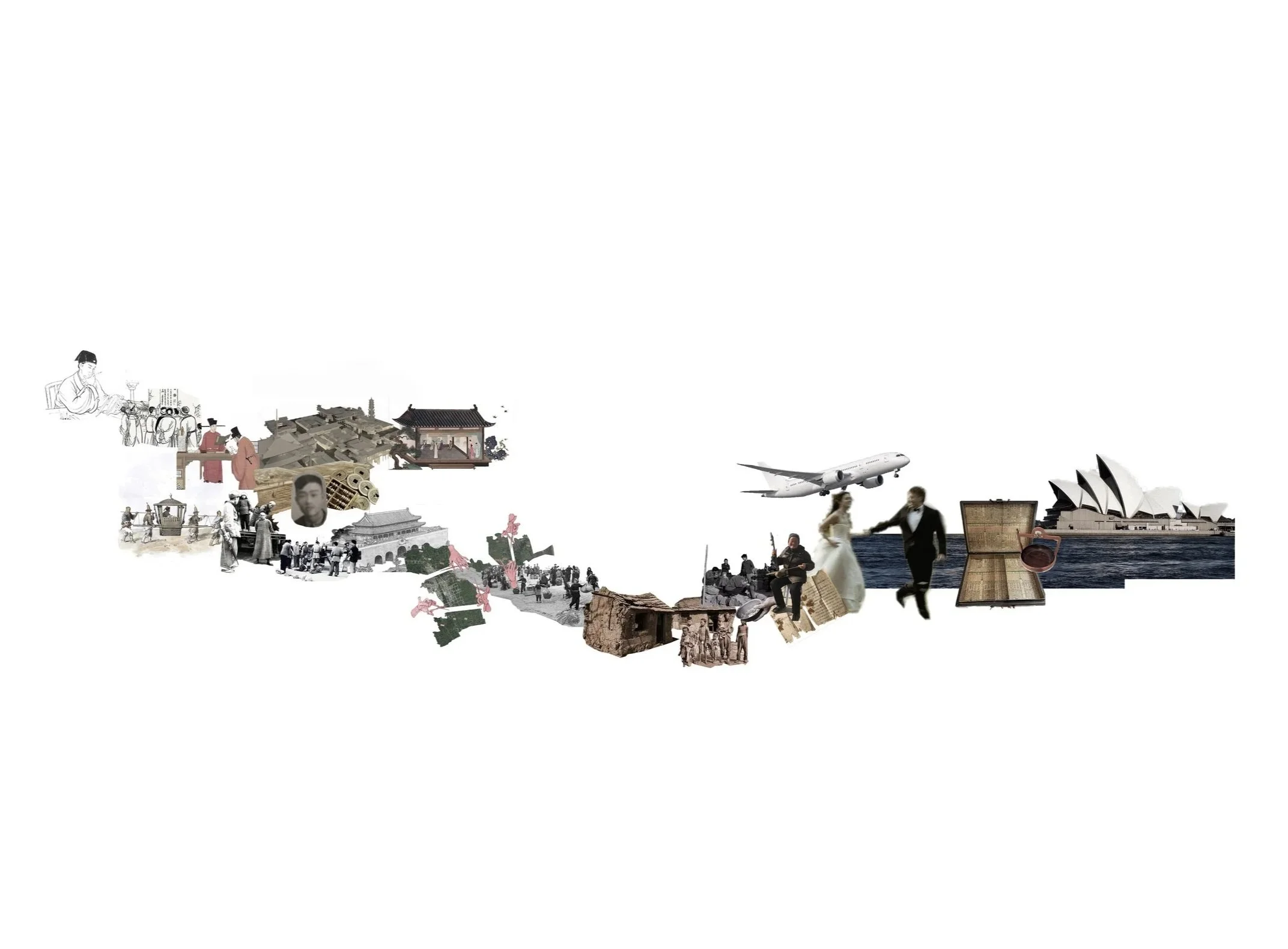
Cultural Threads
I grew up in Jiangsu, China, surrounded by everyday objects, fabrics, and forms of craftsmanship. These items were never meant to be symbolic, yet their order, texture, and restraint shaped the way I understand space. Much of my instinct for clarity and quiet structure can be traced back to these early, understated influences.
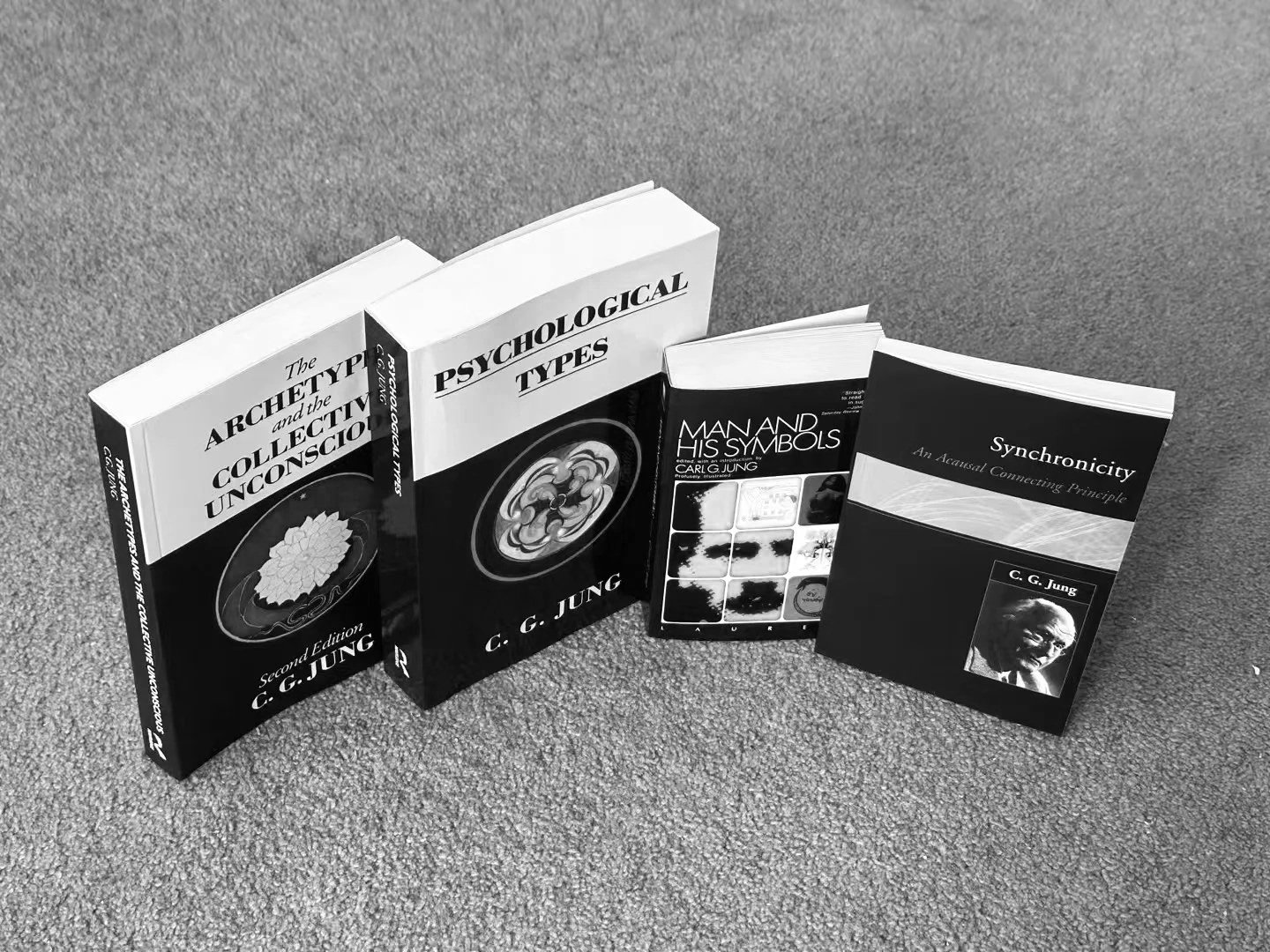
Understanding People and Space
Studying Jungian psychology, especially the eight cognitive functions, changed how I understand people and their relationship with space. It revealed the gap between what we consciously believe we need and what our unconscious actually seeks. Each function filters the world differently, creating distinct patterns of attention, motivation, and sensitivity.
Through this framework, spatial preferences became more legible. People respond differently to the same environment depending on whether they rely more on structure, intuition, sensation, or emotional cues. Understanding these differences made my approach to design more precise and less dependent on projecting my own preferences onto others.
Working with the eight functions also helped me recognise how my own unconscious patterns influence my reactions. Integrating them made me more stable, more reflective, and more able to hold multiple perspectives without collapsing them into one. In many situations I feel more grounded and more accepting than people my age because I understand where differences come from.
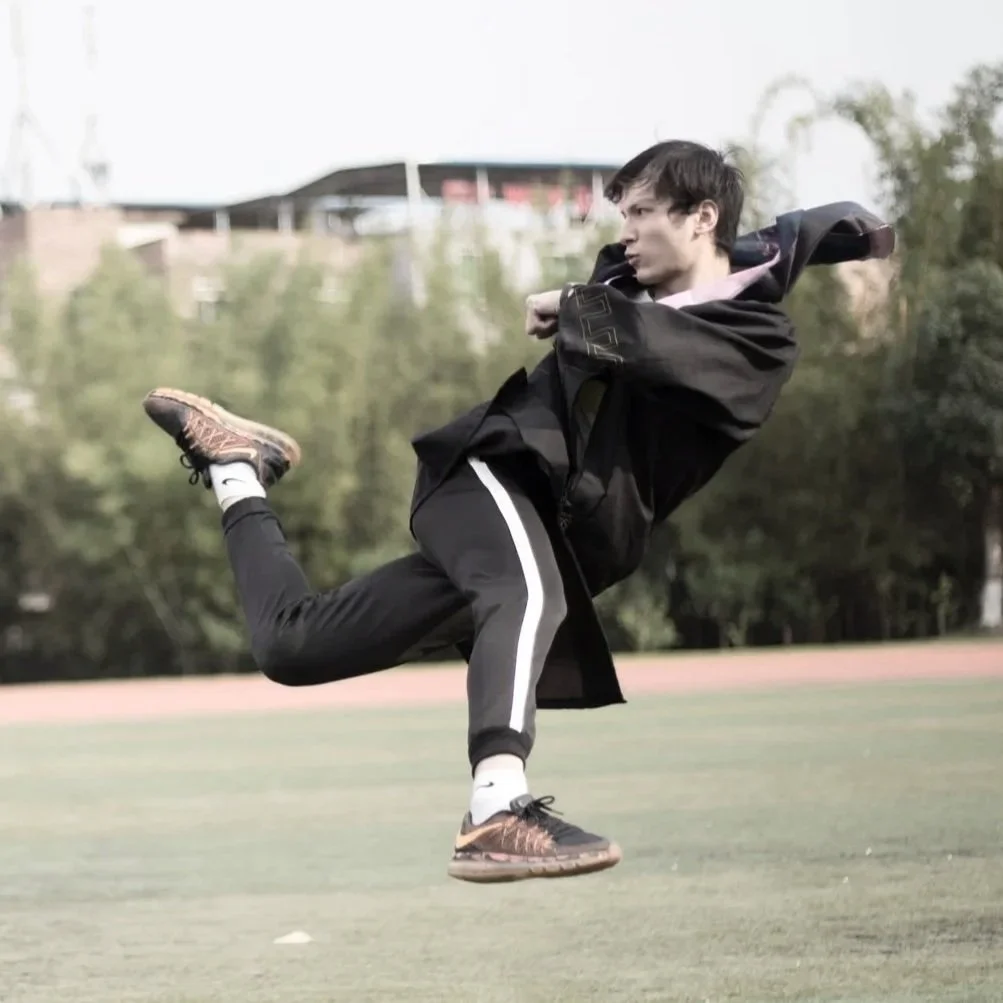
Discipline Through Movement
I trained in Taekwondo for many years. The practice shaped my resilience and my way of responding to stress. I sprained my ankle seven times, and each time I stood up and continued the session. I reached Black Belt 2 Dan in two years because repetition and discipline felt natural to me.
This routine strengthened my ability to remain calm, to handle pressure, and to work through discomfort with a steady pace. It also taught me to understand my body as a sensory system. Balance, weight, rhythm, and timing became things I could feel before I could analyse them.
This awareness influences my work in architecture. I pay attention to how people move through space and how their bodies interact with materials, light, and sound. Physical training made me value embodied perception. It also reinforced my belief that spatial experience begins with the body and continues through the senses. This connection shapes how I think about comfort, rhythm, and emotional tone in my designs.

Sensitivity and Integration
I carry mild AuDHD traits, which make me perceptive to rhythm and emotional cues and also shape the way I analyse problems. I tend to break situations into patterns, understand their structure, and reorganise them into clearer forms. This combination of sensitivity and systematic reasoning helps me move naturally between intuition and logic.
Over time, I learned to manage pace, boundaries, and focus so that sensitivity becomes clarity and structure becomes understanding rather than constraint. This process helped me recognise my own unconscious patterns early and made me more receptive to the different ways people experience space.
Thinking in Patterns
I joined Mensa because I enjoy puzzles and problem-solving. It fits the way I think. I am drawn to patterns and underlying structures, and I like understanding how different parts of a problem relate to each other. Working with logic games keeps my mind active and flexible.
This habit helps me shift perspectives and recognise relationships between ideas. It is not about being better than anyone else. It is simply a way of maintaining clarity and giving myself room to think. This pattern-oriented mindset influences my work in architecture. It helps me understand how different elements of a space interact and how people respond to those interactions. It supports my interest in reading the emotional and sensory structure of an environment and shapes the way I organise and refine my designs.

Working Through Art
I was an art student, having nearly 20 years art studing experience. Drawing, photography, music, and material studies help me process ideas that cannot be expressed directly. They are working methods rather than separate artistic identities. Photography trains my attention to atmosphere and edges. Drawing teaches me about weight, balance, and restraint. Materials reveal how things fracture, shift, or repair.
These practices naturally shape how I construct spatial rhythm and tone. They influence the way I think, observe, and make decisions far more than any single discipline could.
Between Places
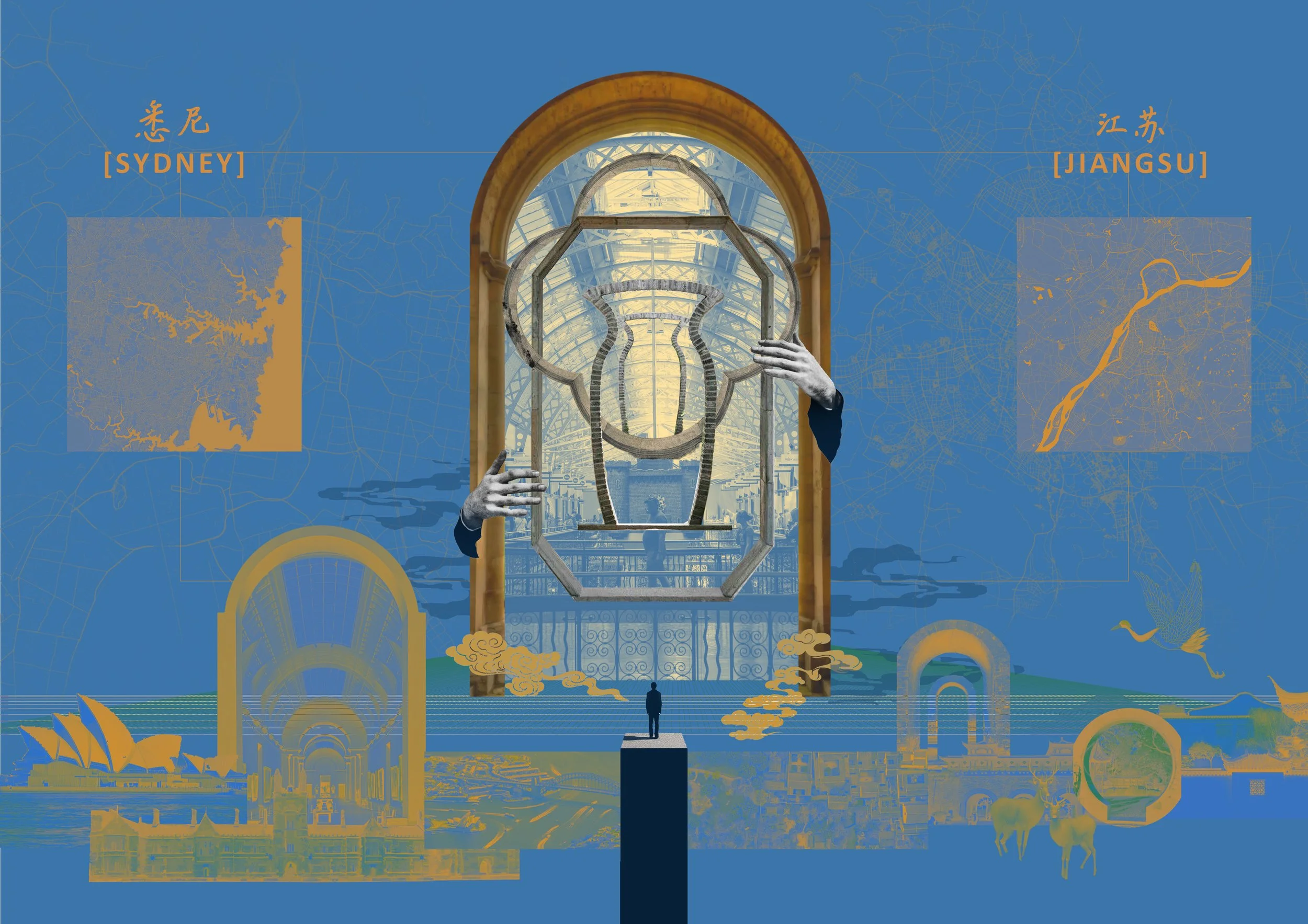
Living across different countries has kept me in a position that feels slightly outside the centre. This experience made me sensitive to transitions, thresholds, and belonging. These themes appear in my work not because I deliberately chose them, but because they reflect how I move through the world.
How It Comes Together
Everything I have learned comes together in the way I approach architecture. My background, my training, and my way of thinking shape how I read people and how I understand space. I pay attention to movement, rhythm, emotion, and the subtle cues that affect how someone feels in an environment.
Design, for me, begins with the person who enters the space. I focus on comfort, clarity, and the quality of experience rather than on imposing a form. I want environments to feel grounded and steady, and to support the way people move and think.
This approach reflects how I see the world. It is calm, deliberate, and concerned with the deeper patterns that shape human experience. It guides how I make decisions and how I build meaning into space.